


Exploring how emotions drive decision-making in gambling psychology
The Role of Emotions in Gambling
Emotions play a crucial role in gambling behavior, significantly influencing decisions made at the gaming table or online. When individuals engage in gambling, their emotional states can dictate whether they adopt a risk-averse or risk-seeking approach. For instance, a person who is feeling euphoric after a win may be more inclined to place larger bets or take risks, believing that their luck will continue. Conversely, someone experiencing frustration from previous losses might react by chasing losses, leading to even more reckless decisions. If you’re looking to start your journey with gambling, you can easily access the Winwinbet Registration process to create an account.
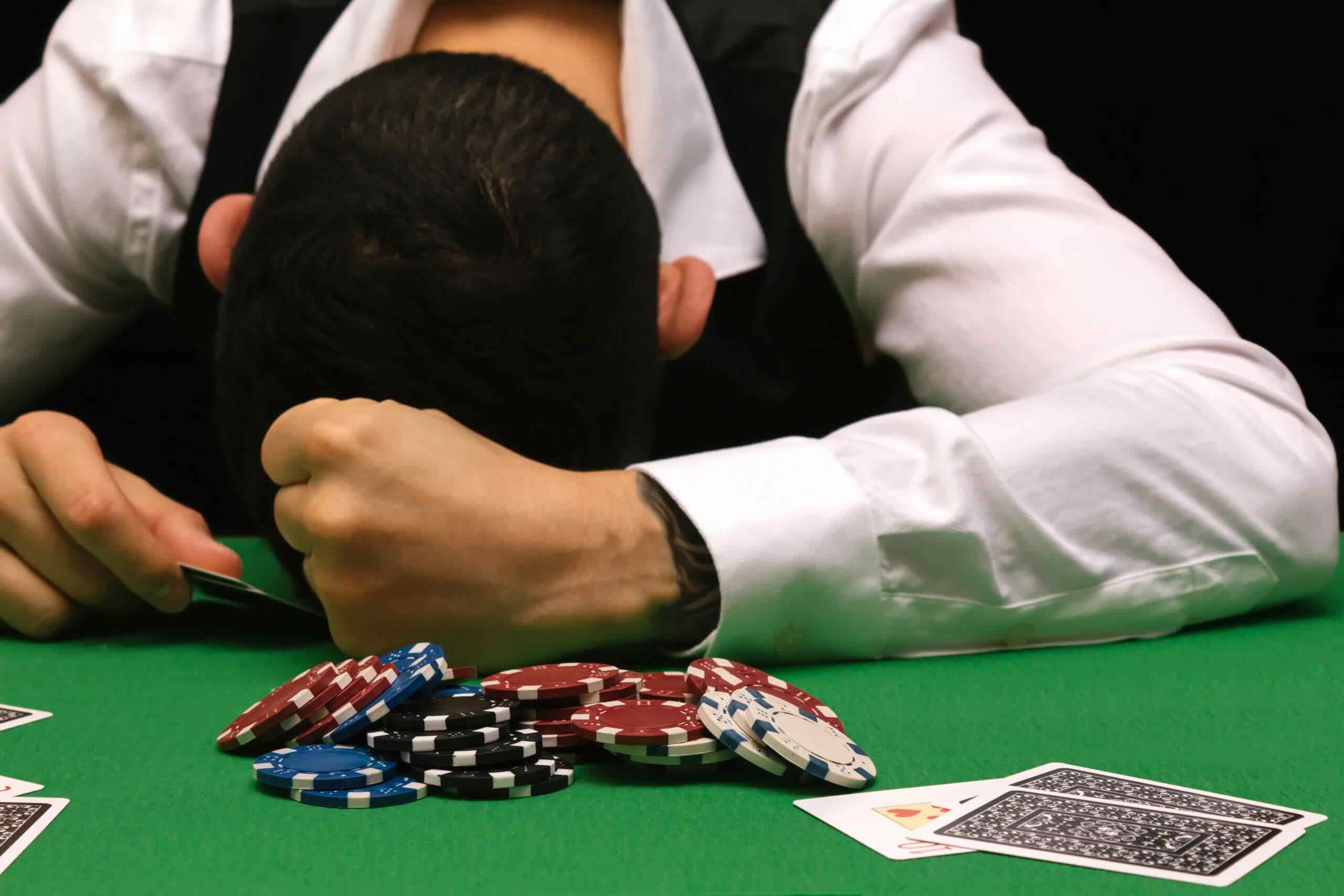
The emotional rollercoaster that accompanies gambling can create an environment where logical reasoning is overshadowed by feelings. Players often find themselves in a state of heightened arousal, which can cloud judgment. This emotional state can be both a motivator and a deterrent, creating a complex relationship between emotion and decision-making. Understanding how emotions can trigger specific behaviors is essential for both gamblers and those studying gambling psychology.
Moreover, the anticipation of a potential win can evoke feelings of excitement and hope, driving individuals to engage more deeply in gambling activities. This excitement can lead to the phenomenon known as the “gambler’s fallacy,” where players believe they can predict outcomes based on past results. By recognizing the emotional underpinnings of their decisions, gamblers can better navigate their experiences, leading to more informed choices and strategies.
Cognitive Biases and Emotional Influence
Cognitive biases are systematic errors in thinking that affect decisions and judgments. In the realm of gambling, these biases often stem from emotional responses. One common cognitive bias is the illusion of control, where players believe they can influence outcomes that are purely based on chance. This bias is often fueled by positive emotions, such as confidence, leading to overestimation of one’s ability to predict or control the game’s results.
Another prevalent cognitive bias is the confirmation bias, which leads players to focus on information that reinforces their existing beliefs. For instance, a gambler who has experienced a series of wins may ignore any signs of losing streaks, attributing their success to skill or strategy rather than luck. Emotions can further exacerbate these biases, as heightened feelings of joy can lead players to dismiss negative experiences, reinforcing their erroneous beliefs. Understanding these cognitive biases is crucial for both gamblers and industry professionals.
By recognizing how emotions can distort perceptions and lead to flawed decision-making, individuals can take steps to mitigate the impact of these biases. Implementing strategies to counteract these tendencies can lead to more rational decision-making processes, ultimately improving the gambling experience.
Emotions and Risk-Taking Behavior
The relationship between emotions and risk-taking in gambling is a significant area of study within gambling psychology. Emotional states can heavily influence an individual’s willingness to take risks. For example, during moments of heightened arousal, such as experiencing a big win, players may be more inclined to increase their bets or try their luck at more volatile games. This risk-taking behavior is often bolstered by the emotions associated with winning, such as excitement and joy.
Conversely, negative emotions can have a contrasting effect. Feelings of fear or anxiety may cause players to withdraw from high-stakes situations, opting for safer, less risky bets. However, in some cases, these negative emotions can lead to chasing losses, pushing players to gamble more in hopes of reversing their fortunes. This complex interplay of emotions can lead to both impulsive decision-making and calculated risk aversion, showcasing the duality of human behavior in gambling.
Research suggests that emotional regulation plays a vital role in managing risk-taking behaviors. Players who can effectively identify and manage their emotions may have a better chance of making sound decisions. This understanding can also aid in developing responsible gambling practices, empowering individuals to recognize when their emotions are influencing their choices, and enabling them to make better-informed decisions at the gaming table.
The Impact of Environment on Emotional Responses
The environment in which gambling takes place can significantly influence emotional responses and decision-making processes. Factors such as the atmosphere of a casino, the social dynamics among players, and even the design of online platforms can affect how emotions are experienced and expressed. For example, a lively casino filled with sounds of winning can evoke feelings of excitement, encouraging players to engage more fervently in their games.
In contrast, a more subdued or negative environment may lead to feelings of anxiety or frustration, affecting how players approach their betting strategies. Environmental cues can activate emotional responses that, in turn, influence decisions. Understanding how these factors contribute to the emotional landscape of gambling is crucial for both operators and players, as it helps create a more engaging and responsible gambling experience.
Furthermore, social interactions play a significant role in shaping emotional responses. Gamblers often engage with each other, sharing stories of wins and losses. These interactions can amplify emotions, leading to a collective experience that influences decision-making. For instance, a group of friends celebrating a win together may encourage each other to take more risks, driven by shared excitement. Acknowledging the power of the social environment can aid in developing strategies for healthier gambling behaviors.

WinWinBet: A Responsible Gambling Environment
At WinWinBet, we understand the intricate relationship between emotions and decision-making in the realm of gambling. Our platform prioritizes responsible gambling practices, creating an environment that encourages players to engage thoughtfully and strategically. By promoting awareness of emotional influences, we aim to empower our users to make informed choices, enhancing their overall gaming experience.
We offer a variety of tools designed to help players recognize and manage their emotions while gambling. Features such as betting limits, self-exclusion options, and educational resources allow individuals to make decisions that align with their emotional states. Our commitment to fostering a safe and enjoyable gambling environment reflects our understanding of the psychological dynamics at play, ultimately promoting a healthier approach to gaming.
Join us at WinWinBet to explore a diverse range of betting options while prioritizing your emotional well-being. With enticing bonuses and user-friendly features, our platform invites players to experience the thrill of gambling responsibly, ensuring that each decision made is well-informed and reflective of one’s emotional landscape.